


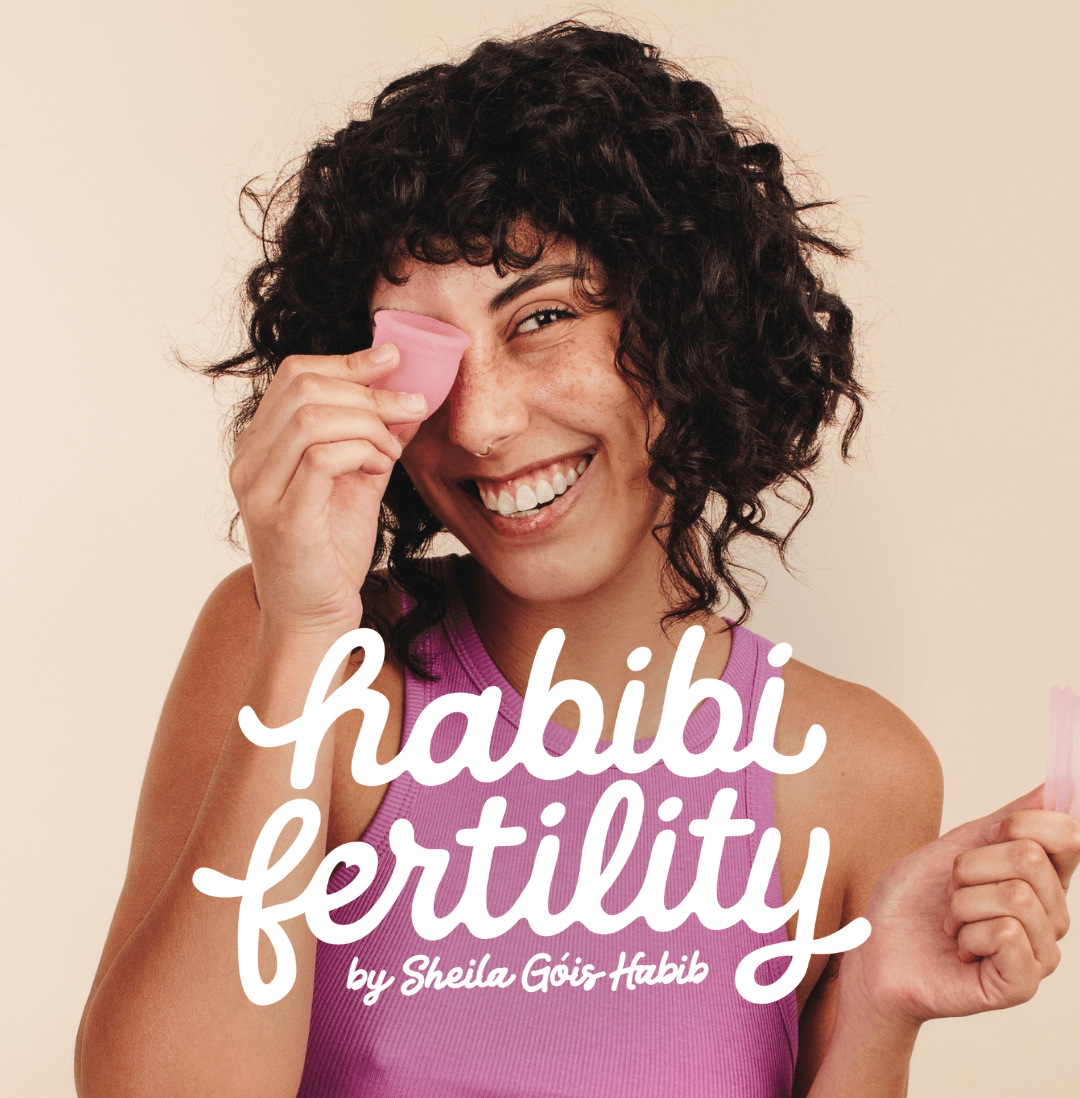
Num mundo onde o acesso à informação sobre saúde menstrual e reprodutiva ainda é desigual, o Habibi Fertility surge como um projeto transformador. Mais do que uma plataforma educativa, é um movimento que combate o défice de literacia corporal, quebra tabus e oferece conhecimento científico de forma inclusiva e culturalmente consciente.
Para que esta missão chegue a todas as pessoas que dela precisam, a acessibilidade digital é essencial. Um site acessível garante que qualquer pessoa – independentemente das suas capacidades, contexto ou experiência digital – possa navegar, aprender e participar plenamente na comunidade. Quando falamos de saúde e direitos humanos, excluir alguém por barreiras digitais é perpetuar desigualdades.
Acessibilidade como parte da missão
O Habibi Fertility foi criado a pensar em quem muitas vezes fica de fora das conversas sobre saúde menstrual. Pessoas que cresceram em ambientes onde falar sobre menstruação, contraceção ou sexualidade era tabu, que sentiram falta de informação fiável ou de representação no discurso sobre o corpo.
Aqui, a comunicação inclusiva começa pelo conteúdo, mas consolida-se num design digital que respeita as normas de acessibilidade web, com texto legível, contraste adequado, navegação por teclado, descrições alternativas e estrutura clara para leitores de ecrã.
Um site pensado com acessibilidade e experiência do utilizador no centro não é apenas bonito: é uma porta de entrada para conhecimento e autonomia. No caso do Habibi Fertility, será também um espaço seguro e interactivo, onde qualquer pessoa pode aprender sobre métodos de percepção de fertilidade, marcar sessões, aceder a recursos gratuitos e sentir-se representada nas imagens, na linguagem e no design.
No digital, cada clique é uma oportunidade de incluir ou excluir. Ao criar experiências online que eliminam barreiras, não estamos apenas a fazer web design, estamos a praticar saúde pública e a garantir que o conhecimento é, verdadeiramente, para todos.